
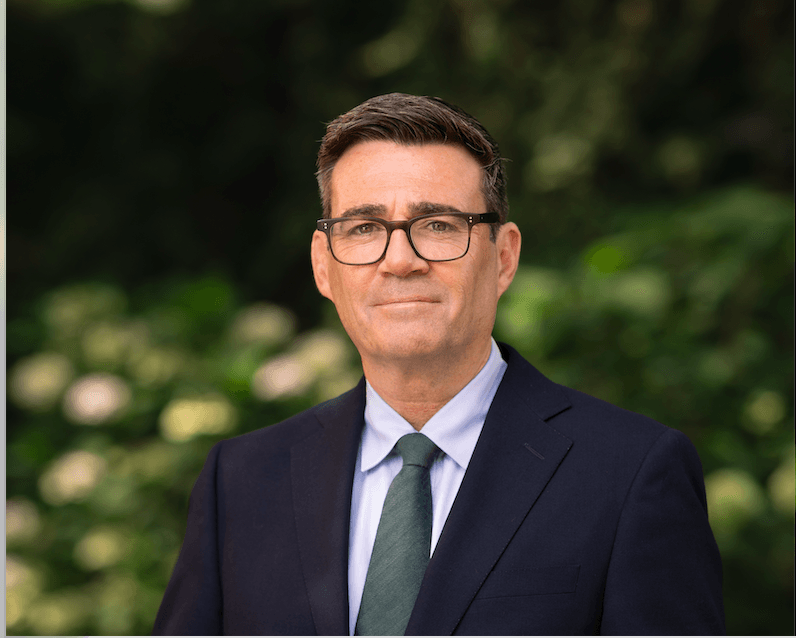
Having worked in the Health and Social Care sector for 40 years, I have worked alongside social care providers long enough to have heard a National Care Service promised before. Andy Burnham first put the idea in a green paper in 2009, when he was Health Secretary. Seventeen years on, as Prime Minister, he stood up in Liverpool on Tuesday and promised it again: a person-centred service that starts in the home, free at the point of use, where everyone contributes and everyone is covered.
What a relief to finally hear a politician commit to social care reform. Social care has finally been placed at the centre of a Prime Minister’s conference speech, and he spoke to care workers directly, telling them they were not invisible to him. Whatever happens next, that statement in itself matters. The care workforce has held this system together on low pay for decades, and hearing it acknowledged from that platform was overdue.
So let me start with what is good about this.
The principle is right. Nobody should lose their home and savings because they need care. Burnham’s story about his gran is one every provider will recognise from the families they support. Removing care charges from people living on the basic state pension is decent and long overdue.
The link to the NHS is right too. Every registered manager knows what happens when a hospital discharge fails, or when an avoidable admission follows because home care could not be found. Treating care as the foundation of the NHS rather than an afterthought is the correct diagnosis.
And, for the first time in years, someone has been brave enough to commit to a clear source of the funding needed for reform. Adjusting the triple lock from April 2030 is a contentious move, it will upset many people, but I would rather have an honest and uncomfortable answer about funding than another decade of plans promised that never arrive.
Now the harder part.
The timescale is long. The service is to be introduced in the next Parliament, with Baroness Casey’s review still to report and its second phase not due until 2028. Providers are closing today. Skills for Care puts the registered manager vacancy rate at 11.4%. Councils will set fee uplifts this winter against a new pay floor arriving in April. A promise for 2030 does not pay wages in 2027.
The money is uncertain. The Health Foundation has estimated that a fully state-funded system could cost an extra £18.5 billion a year by 2035. Triple lock savings alone will not reach that figure, and the pledge to fund it without borrowing leaves a gap to be closed by taxation, by rationing, or by squeezing the people who deliver the care. Providers are very familiar with that third option.
Then there is the phrase that will have made every independent provider sit up: “care that is about people not profit”. I understand the sentiment. But most care in England is delivered by independent organisations, small and large, charitable and private, and most of the owners I work with could earn more with less stress elsewhere. If “not profit” comes to mean a preference for public delivery, the sector could face years of frozen investment while owners wait to learn whether they have a future. Scotland legislated for a National Care Service and abandoned the central plan in 2025. The design detail is everything.
The Homecare Association put it well: “free at the point of use must also mean fair at the point of delivery”. Care England welcomed the attention but called it a first step. Both are right.
So what should providers do?
Do not wait. The Casey review is where the design will be settled, and the sector’s voice needs to be in it. Take part.
Evidence your outcomes. A national service will bring national standards and national scrutiny. Providers who can show, with data, that they keep people well at home and out of hospital will be commissioned. Those who cannot will not.
Look after your managers. Whatever the system looks like in 2030, it will be run by the people you are struggling to keep in post today.
I am glad this argument is finally being had at the top of government. I have waited a long time for it. But hope is not a plan, and the providers I speak to every week need a plan for the next three years, not the next Parliament. Tuesday was a start. The sector’s job now is to make sure it becomes more than that.
Bill Watson, Director, Insequa